
What each channel really costs a restaurant
They all take a percentage. Not on the same thing, and only one lets you set it.
The question nobody asks in the right order
An owner comparing channels looks at the headline rate first. That is the wrong opening question, because two channels charging 15% do not cost you remotely the same thing.
What decides it is what the percentage lands on and who sets it. A rate charged on the whole bill, drinks included, is not comparable to one charged on food. A rate you choose is not comparable to one you are told.
How each channel bills you
| Channel | The mechanism | Who sets the percentage |
|---|---|---|
| Delivery (Uber Eats, Deliveroo) | Commission on each delivered order, on the full total | Them |
| Coupons (Groupon and similar) | You give a deep discount, and the platform takes a share of what is left | Them |
| Bookings (TheFork) | Subscription depending on the plan, plus an amount per cover delivered | Them |
| Meal vouchers (Swile, Edenred, Up, Pluxee) | Commission on the face value, plus a reimbursement delay | Them |
| Booking software (Zenchef, Guestonline) | Monthly subscription, no commission on your sales | Them |
| CalVal | No subscription, no commission. A discount you set | You |
The rates themselves vary with the plan you signed, how long you have been a customer and what you negotiated. We do not publish them here: they change, and a wrong figure would be worse than no figure.
The percentage does not eat your revenue, it eats your margin
This is the most common and most expensive mistake in the calculation.
A 40 euro cover at 65% margin leaves you 26 euros. A 15% commission on the bill is not 15% of your effort: it is 6 euros out of 26, which is 23% of what you were actually earning.
Run the same arithmetic on a 10% discount you set yourself: 4 euros out of 26, which is 15% of your margin. And if you exclude drinks from the discount, which is your right when the discount is yours, the figure drops again.
Your margin is 26 €. Here is what each model takes out of it.
The track is your whole margin, not your revenue. That is the point of the arithmetic: a rate that looks modest against the bill weighs almost double once it is expressed as a share of what you keep.
Redo this with your own margin before signing anything. The headline rate means nothing until it is expressed as a share of what you keep.
Meal vouchers, the comparison nobody makes
This is the channel closest to what CalVal does, and the one it never gets compared to.
A meal voucher is a third party giving somebody a reason to eat with you rather than elsewhere. You accept it, you pay a commission on the face value, and you wait to be reimbursed. That is exactly the shape of a rewards scheme, with a commission and a cash-flow delay added.
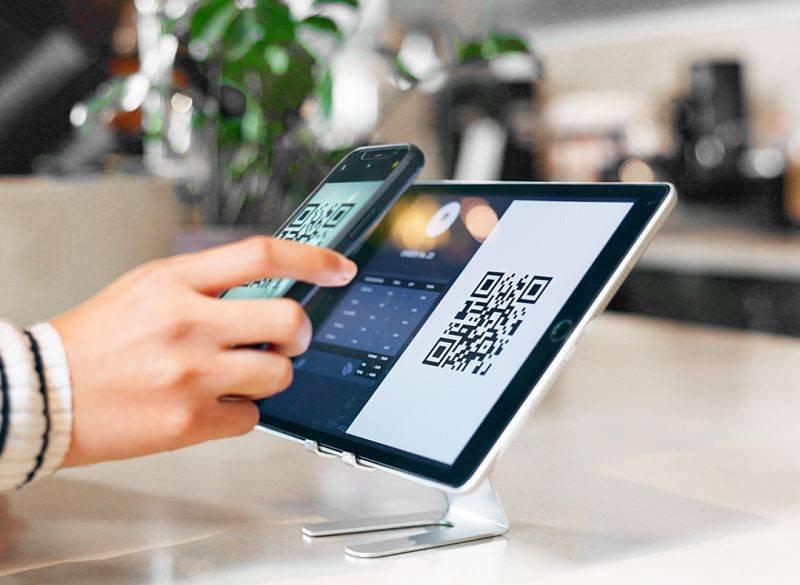
You accept them anyway, and you are right to: the customer comes. The point is not that meal vouchers are bad. It is that a scheme of that shape can exist without the commission and without the delay. That is what CalVal is.
What should actually decide it
Three questions, and they come before price:
- Can I change what I give, today? If the rate is theirs, the answer is no, and it will still be no on the day they raise it.
- Can I stop tomorrow? Look at the commitment period and the notice, not the sales promise.
- Am I paying for customers I already had? This is the invisible cost. A regular who books through a platform costs you a commission on a visit you already had.
A channel that answers yes, yes, no leaves you in control. One that answers no, no, yes takes that away, whatever the headline rate says.
Where CalVal sits, and what it does not claim
CalVal replaces neither your delivery platform nor your booking software. They do not meet the same need and it would be dishonest to imply otherwise.
On the cost line alone, here is what is verifiable:
- No subscription. No card is asked for at signup.
- No commission on your sales. The customer pays their bill at your till.
- No equipment. The code is scanned from a phone you already own.
- The discount is yours. You set it, you change it, you exclude what you like from it.
- You leave whenever you want, with no notice and no penalty, by pausing your listing.
This comparison describes business models, not rates. The mechanisms above were checked in August 2026; the rates are negotiated and they move, so ask each provider for theirs in writing. If you spot an error on this page, write to us and we will correct it.